From Managing Behaviors to Healing Them Training Series: An Introduction to NeuroRelational Care
Come learn about NeuroRelational Care from
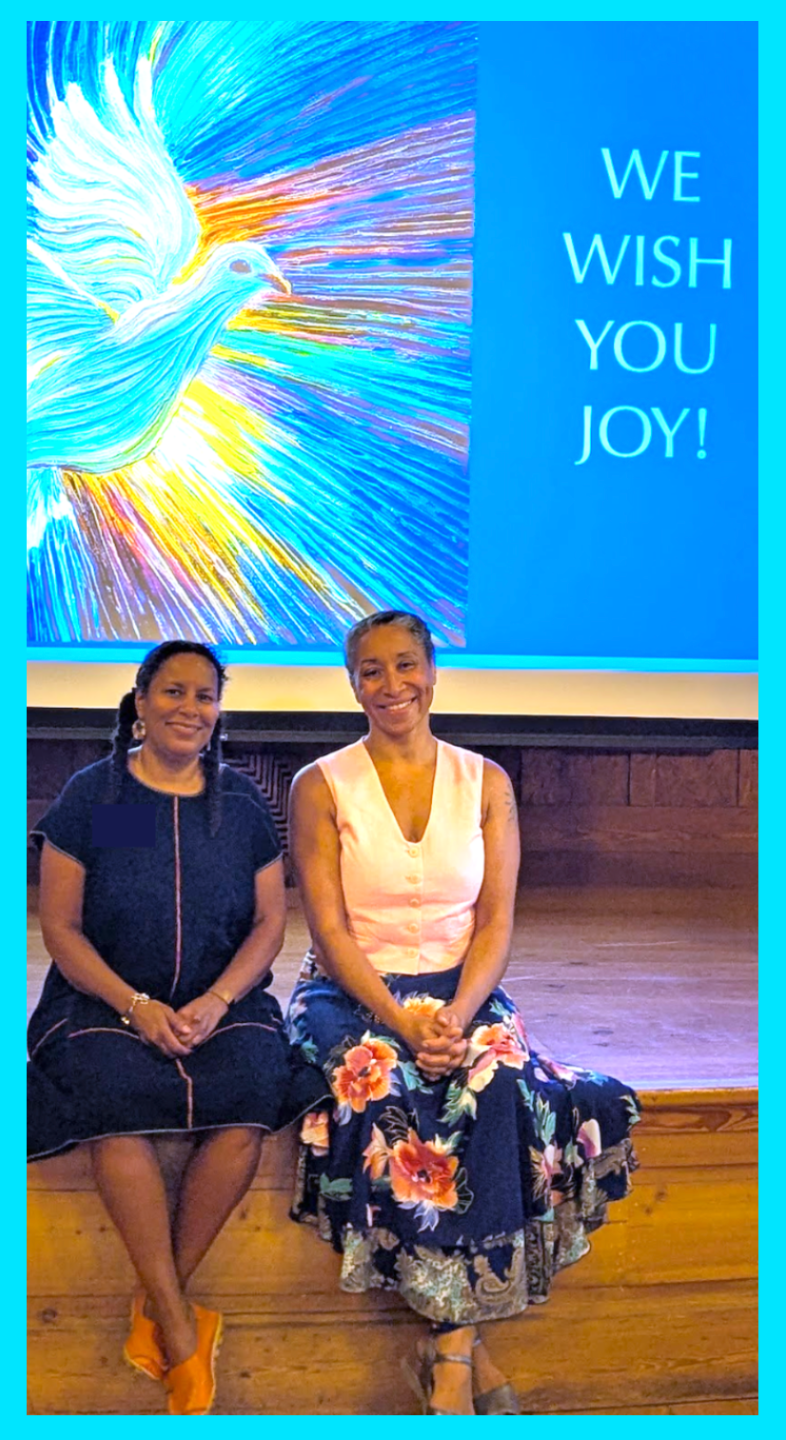
Betty Peralta & Amelia Bolyard
All Virtual Sessions Live & Recorded
Next live session starts March 8, 2027
NeuroRelational Care is a brain and relationship-based approach to caregiving, therapy, social work, teaching, and home visiting that reduces the stress that gives rise to challenging behaviors. It increases resilience in children, families, and you.
Continuing Education Credits for WA Mental Health Therapists & Educators
This Program is approved by the Center for Early Relational Health for 1.5 continuing
education units for Mental Health Professionals per session, by the Washington State Department of Children, Youth, and Families for 1.5 STARS credit hours per session, and by the Center for Strengthening Teacher Education Profession for 1.5 Clock Hours per session. All four sessions attended live earn 6 credits total.
Or contact us for a partial scholarship.
Day 1: Don’t Call it Bad Behavior—Call it a Stress Response!
Recording; Next live session for credit, March 8, 2026, 4 pm PT
This first session explains why it helps to change our approach from reacting to behaviors to responding to the stress that gives rise to them. We'll give you an overview of NeuroRelational Care, a comprehensive approach to reducing toxic stress in children and families. We'll delve into how you can apply it to yourself while you use it to help the children (including your own) and/or families you work with. We'll also answer any questions you may have about this upcoming training series. Recommended before attending or watching any other trainings in the series.
By clicking below, you can watch the video found in Bloom Community. Both the video and community membership are free for your first month.
Watch Day 1Day 2: Protecting Body Budgets and Co-Regulating Nervous Systems
Recording; Next live session for credit, March 22, 2027 at 4 p.m. PT
How do you assess for toxic stress, and what do you do about it once you find it? This training day will show you how to measure stress in a nervous system, identify whether it is toxic (harmful) or adaptive (helpful) to growth and development, and give you paradigm shifts needed for lowering toxic stress and building resilience.
Day 3: Use Your Relationship to Build Their Resilience
Recording; Next live session for credit, April 12, 2027 at 4 p.m.
Relationships are key to building resilience in children and families. This training day answers the questions, "How do we assess when and where a relationship needs help?" "How can I build a stronger relationship with a child, despite societal expectations?" "How can I care for my own nervous system while serving children and families?" And, "How can I help families build strong relationships with each other?"
Day 4: A Holistic Approach to Children’s Behaviors
Recording; Next live session for credit, April 26, 2027 at 4 p.m.
What's behind children's behavior when they appear to be doing something on purpose to push buttons or get what they want? Behaviors like these are elicited from the autonomic nervous system as stress-based urges to feel better in the moment. Feeling better means being better; it leads to physical, mental, and spiritual wellbeing; and wellbeing leads to better academic performance. This training day looks at the four brain systems to find the sources of these stress-based urges. Rarely is there only one stressor, so we'll also show you how to prioritize them and match them with resilience-building interventions. This isn't about giving children what they think they want; it's about giving them what their nervous systems need to regulate and build resilience.
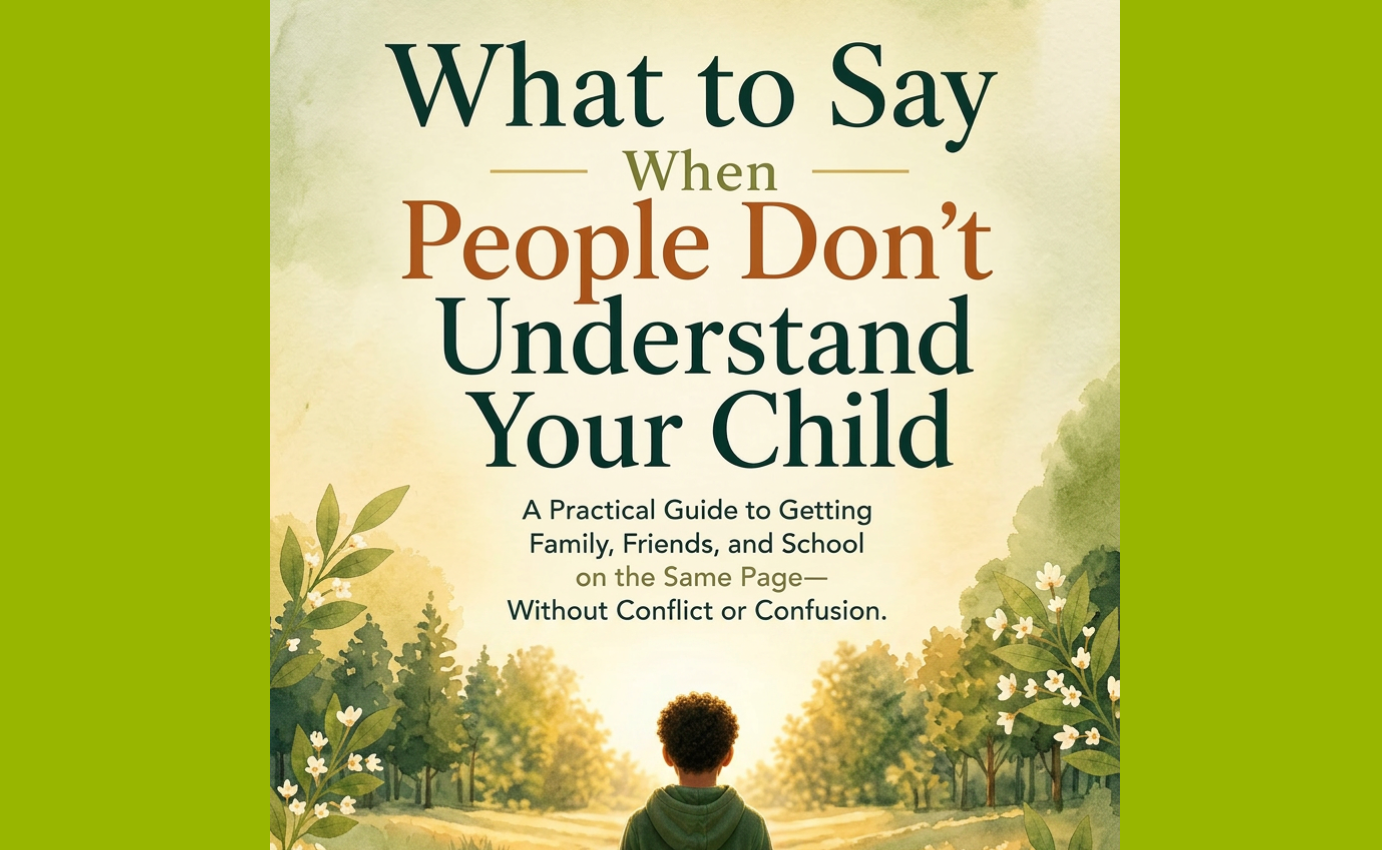
Subscribe & Get Your Free Book
Learn Together in Our Community